
The Regulation Fairy Isn’t Coming
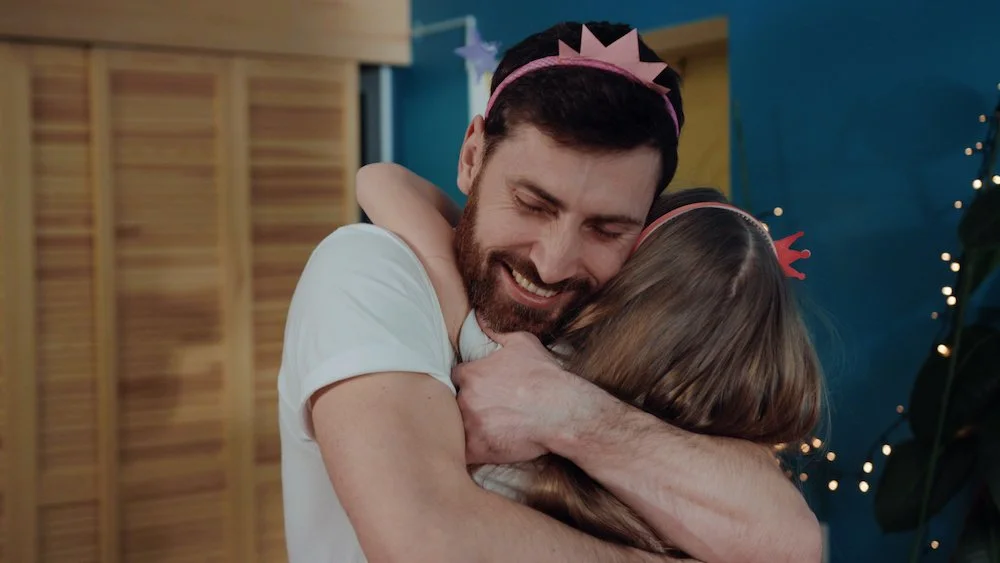
There is, unfortunately, no tiny winged creature arriving at your house at 5:12 pm to sprinkle calming dust over your kitchen while your child screams because the pasta is “too curly,” their sock feels all wrong, and you had the audacity to breathe in their general direction.
I know. I’m sad too.
But here’s the truth: when we’re raising Complicated Kids, those kids with sensitive nervous systems, our own regulation matters enormously. Not in a cute, optional, “self-care Sunday” kind of way. I mean in a very real, very practical, very non-negotiable way.
Complicated kids demand it.
They demand it with terrible, disruptive behavior. With explosiveness. With clinginess. With the constant friction around things that seem small from the outside but feel enormous to them. They demand it with their unending NEED.
If you’re parenting one of these kids, you already know: they will find every weak spot in your nervous system. Not because they’re bad. Not because they’re manipulative. (I swear to you!) But because their own systems are so easily overwhelmed that they need somewhere for all that dysregulation to go.
And guess where it usually lands?
On us.
This is one of the hardest parts of parenting a sensitive child. It is not enough to know the scripts. It is not enough to say the calm words through clenched teeth while your insides are doing their own private tap dance of rage, dread, and despair. Kids, especially the highly sensitive ones, are exquisitely tuned to our energy. They can feel when we are steady, and they can feel when we are hanging on by a thread and pretending otherwise.
Co-regulation starts with actual regulation.
That means our work is not just managing our child’s behavior. Our work is learning to notice when we are getting pulled into the whirlpool. When our chest tightens. When our jaw locks. When our thoughts go from, “My child is struggling,” to, “I cannot do this one more second.”
That moment matters.
Because when our nervous system goes offline, we stop being able to lend calm to our child. And that’s what they need most from us. Not perfection. Not sainthood. Not a magical Instagram version of “gentle parenting.” They need an adult whose system is regulated enough to hold the boundary, hold the feeling, and hold onto themselves at the same time.
That is not easy work. In fact, for many parents, it’s deeply unfair work. Your child’s struggles may be dragging up your own old stuff: your childhood, your beliefs about obedience, your fear of judgment, your panic about the future. Complicated Kids have a way of forcing our growth whether we were planning to evolve or not.
Rude, honestly.
But also true.
So what to do?
First, shorten the distance between noticing and intervening in yourself. When you feel yourself escalating, pause and do one regulating thing before you address your child. Unclench your hands. Exhale longer than you inhaled. Drop your shoulders. Put both feet on the floor. You are not trying to become a yoga retreat. You are trying to stay available.
Second, prepare for predictable hard moments before they happen. If bedtime, transitions, homework, or getting out the door reliably sends everyone into orbit, that is not a personal failure. That is information. Build support around the hard thing. Fewer words. More routine. Less rushing. More connection. Your nervous system likes predictability too.
The big idea here is simple: your child cannot borrow calm from a system that is in flames.
And because Complicated Kids are complicated, they will keep asking for this from you. Again and again and again (for years if necessary). Through meltdowns, refusals, chaos, and need. Not because they are broken, but because their nervous systems are asking for an anchor.
Be the anchor when you can. Repair when you can’t. Start again tomorrow.
And if you need help figuring out how to regulate yourself so you can show up the way you want to for your child, that’s exactly the kind of work I do with parents in 1:1 coaching. You can schedule a free 15-minute with me anytime.