
Stay inspired.
You can read my weekly thoughts on child development and parent encouragement here.

Why Your Child Says No Before They Say Yes
Why does your child say no to everything? For some kids, no creates safety. Learn how less convincing and more autonomy can make trying new things easier.
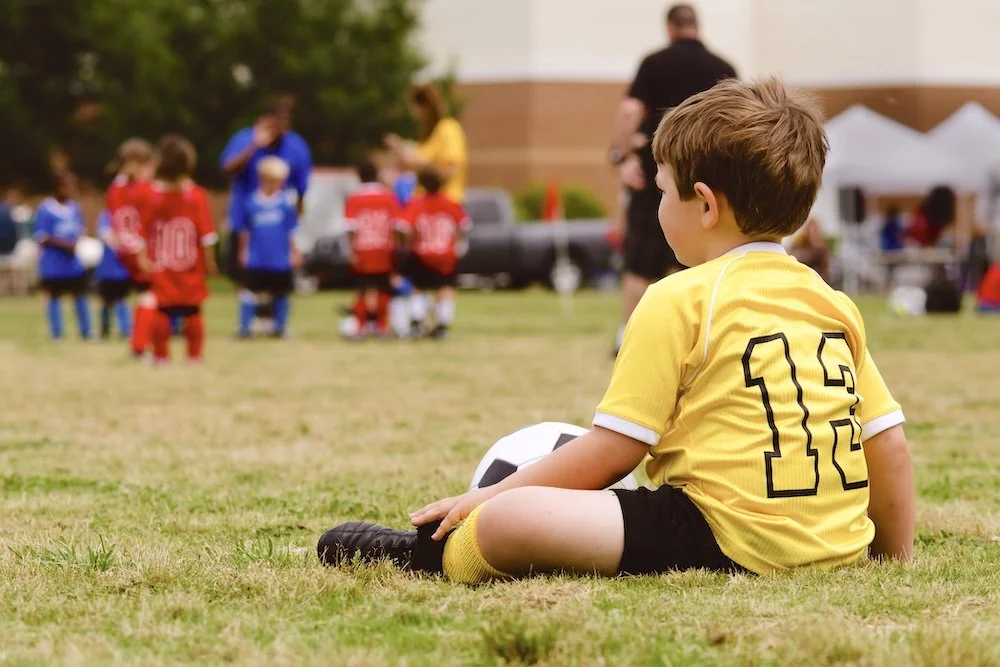
Your Child Doesn't Live in Your Childhood
Your childhood shapes how you parent, but your child isn't you. Learn how old expectations can influence your reactions, gratitude, and parenting decisions.

You Probably Don’t Need Another Executive-Function Strategy
Executive function struggles aren’t laziness. Learn how to support kids with forgetfulness, organization, visual systems, scaffolding, and fewer lectures.

Your Relationship Deserves to Be Part of the Parenting Plan
Parenting stress can take a toll on your relationship. Learn how regulation, connection, and small changes can help partners navigate hard moments together.

You Don’t Have to Know the Answer to Trust Yourself
You don’t need all the answers to trust yourself as a parent. Learn how to question the “shoulds,” trust what you know, and make the next decision.
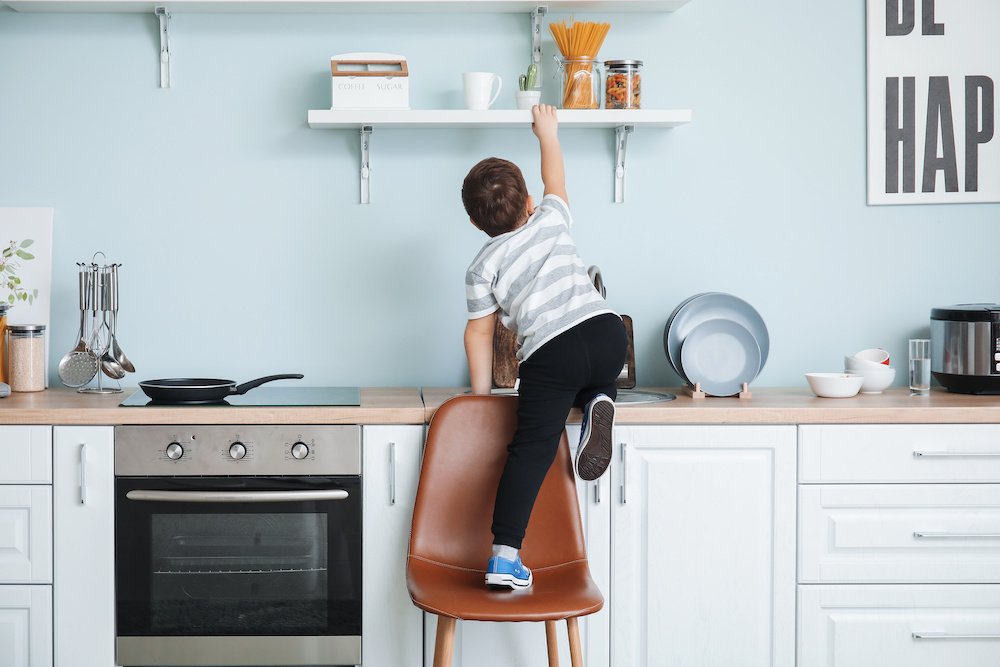
How Kids Learn to Trust Themselves
Kids build self-trust when we make room for their experiences, preferences, and limits. Learn how curiosity and autonomy help children trust themselves.

The (Seemingly) Inefficient Way to Get Things Done
Struggling to get your child to cooperate? Connecting before making a request can build goodwill and make everyday parenting demands easier.

You Just Got Your Child's Reading Scores. Here's What They’re Really Telling You.
Learn what your child’s reading assessment scores really mean, including phonological skills, decoding, comprehension, and when to seek support.

You Are the Expert on Your Child
You know your child in ways no professional can. Learn how to use your expertise to advocate, collaborate with professionals, and build better support.
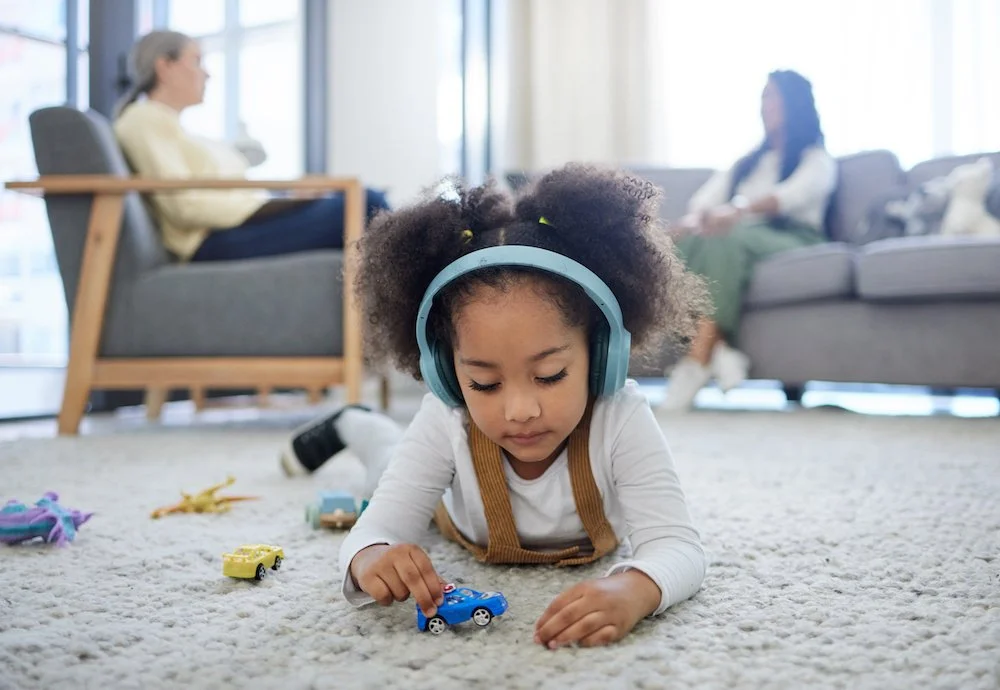
A Diagnosis Is Not a Prediction
A childhood diagnosis can guide support, but it cannot predict your child’s future. Learn the difference between diagnosis and prognosis and why early support matters.

Children Are Inconvenient. That Might Be the Point.
Slowing down with kids can feel inconvenient, but those ordinary interruptions build connection, belonging, and community. Here’s why they matter.
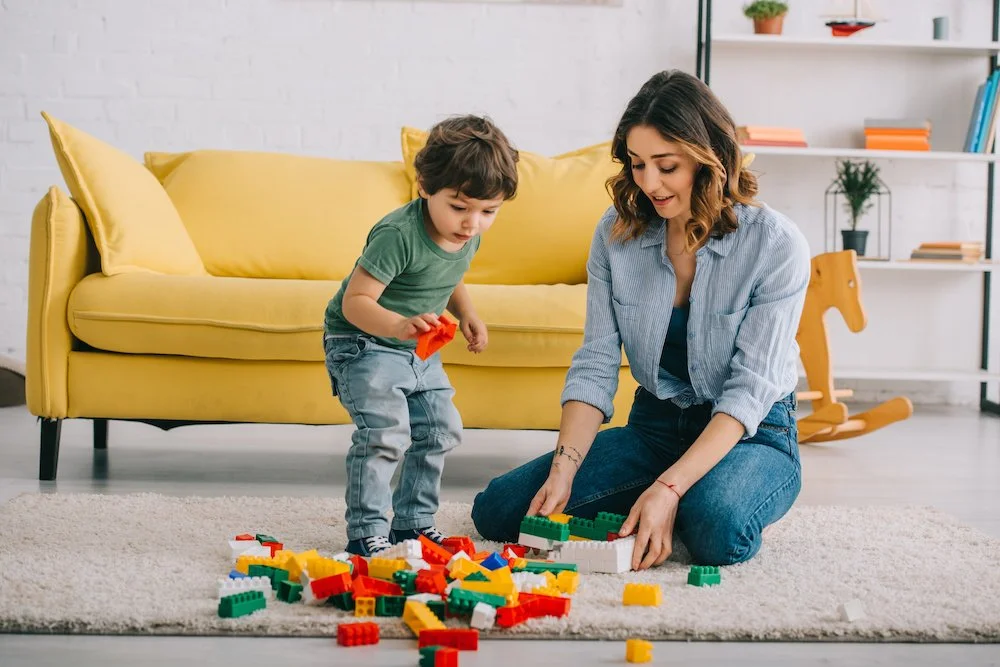
The Quiet Magic of Time In
Talking less during child-led play can create more room for communication and connection. Learn how to use responsive presence during Time In.

“I Hate This Game” Might Be the Whole Point
Child-led play can offer a window into your neurodivergent child’s experience. Learn how Time In builds connection, empathy, and understanding.

Time In Works Because We Do It
Learn what Time In is, why it works differently than Time Out, and how regular connection helps children feel safer, more regulated, and better able to cooperate.

When Your Child’s Cup Has Holes in the Bottom
Does your child seem to need constant connection and reassurance? Learn why some neurodivergent children need more co-regulation and how to support them without burning yourself out.

Why Does My Neurodivergent Child Prefer Adults?
Many neurodivergent children prefer talking with adults instead of peers. Learn why this happens and how to support healthy social connections without forcing friendships.

White Water Rapids Parenting
Worried about risky behavior in your neurodivergent teen? Learn how to balance safety, autonomy, and connection without getting stuck in control or panic.

Where Does Your Child Belong?
Children thrive when they feel they belong. Learn how belonging supports confidence, emotional resilience, and healthy development, especially for neurodivergent kids.
The Tiny Moments Are the Relationship
The strongest parent-child relationships are often built in ordinary moments. Learn why small everyday interactions matter more than perfect quality time.

Please Stop Forcing the Fake Apology
Should children be forced to say sorry? Learn why fake apologies often miss the goal and how to teach repair, empathy, and accountability instead.