
White Water Rapids Parenting
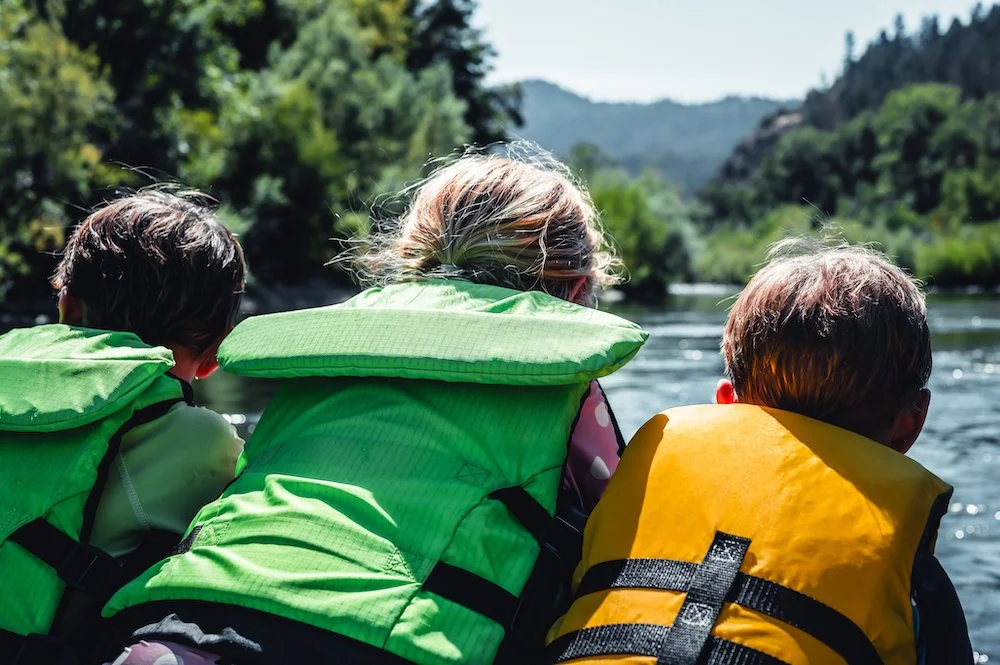
There is a particular kind of parenting panic that happens when your teen is doing something risky.
Not “risky” like they forgot a jacket and may experience the natural consequence of being chilly. I mean risky like your whole body is on high alert, your brain is yelling DO SOMETHING, and every parenting book you ever read and every conversation you’ve ever had with other parents suddenly seems both wildly inadequate and personally insulting.
When you are parenting a neurodivergent teen, these moments can feel like white water rapids.
The water is moving fast. The rocks are real. You are soaked, exhausted, and trying to remember whether you are supposed to paddle, lean in, lean out, hold on, let go, or just scream your head off.
And sometimes the most maddening, loving, mature thing you can do is this:
Rest.
Stand by.
Offer assistance when it is accepted.
Remember that you have done what you can do.
I know. I hate it too.
Parents are wired to intervene. We want to prevent pain. We want to stop the crash (dopamine or actual) before it happens. We want our kids to learn from our carefully worded, emotionally regulated, developmentally appropriate wisdom. Preferably the first time. Preferably before midnight. Preferably without us needing to Google “how much THC is in X brand of gummies?”
But teens, especially neurodivergent teens, are often in the messy middle of autonomy, identity, impulse, nervous system overload, and “please don’t tell me what to do even though I am clearly in over my head.” Their brains are still under construction. Their desire for independence is real. Their need for support is also real. And those two truths may arrive wearing boxing gloves.
So what do we do when our teen is engaging in behavior we would very much like them to stop, thank you very much?
First, we get clear about safety versus control.
Safety means we intervene when there is imminent danger. We call the therapist, the doctor, the school, emergency supports, or whoever needs to be called. We remove access to truly dangerous things (when we can). We make the hard decisions when safety requires it.
Control is different. Control is the fantasy that if we say the right sentence, set the right consequence, track the right app, or deliver the right lecture, our teen will stop being a separate person with their own nervous system, choices, mistakes, and learning curve.
That fantasy is so tempting because it gives us something to do. Unfortunately, it often moves us out of relationship and into surveillance, panic, and power struggle. And neurodivergent teens, who may already feel misunderstood, managed, corrected, or “too much,” can experience that as one more reason to pull away.
Here are two things to try at home.
The first is to create a “shoreline script” before you need it. White water rafting guides do not invent the safety talk mid-rapid. They do it on shore. In a calm moment, say something like: “I know you are going to make choices I do not love. I also know you may not want my help. I want you to know what kind of help is always available: a ride, a no-questions-asked pickup, help texting someone, help making a plan, food, sleep, or sitting quietly together. I may still have boundaries. But I will not make you earn my love by making perfect choices.”
Write your version down. Practice it. Keep it boring. Boring is underrated. Boring is good here.
The second is to make yourself a parent recovery plan. Not a “fix my teen” plan. A plan for what you do when your nervous system is screaming. Who can you text instead of sending the 47th message to your teen? Where can you walk? What can you eat? Can you go to bed even if everything is unresolved? Can you remind yourself, “My panic is just information”?
Because here is the awful, beautiful truth: sometimes our kids need us most when they are not actively accepting us. They need us to be sturdy on the riverbank. Not chasing them downstream in a bathrobe with a megaphone. (No judgment. We have all emotionally owned the bathrobe and megaphone.)
Standing by is not doing nothing. Resting is not giving up. Offering help without forcing it is not weakness. It is a deeply disciplined kind of love.
And it is hard.
If you are parenting a neurodivergent teen through risky behavior and you feel like you are losing your mind, you do not have to figure it out alone. Schedule a 1:1 coaching call with me and we can sort through what is safety, what is control, and what your next right step might be. The rapids may be rough, but you can navigate them with a guide if you need one.